BLOG
O2O Hong Kong: What is O2O and How to Build an O2O Strategy
If you are wondering 'What is O2O?', you are likely looking for better ways to make your online presence work for your retail shops. We have compiled the essential guide to help you get started: covering everything from the basic definitions and local success stories to the practical technology you need to build a winning strategy.
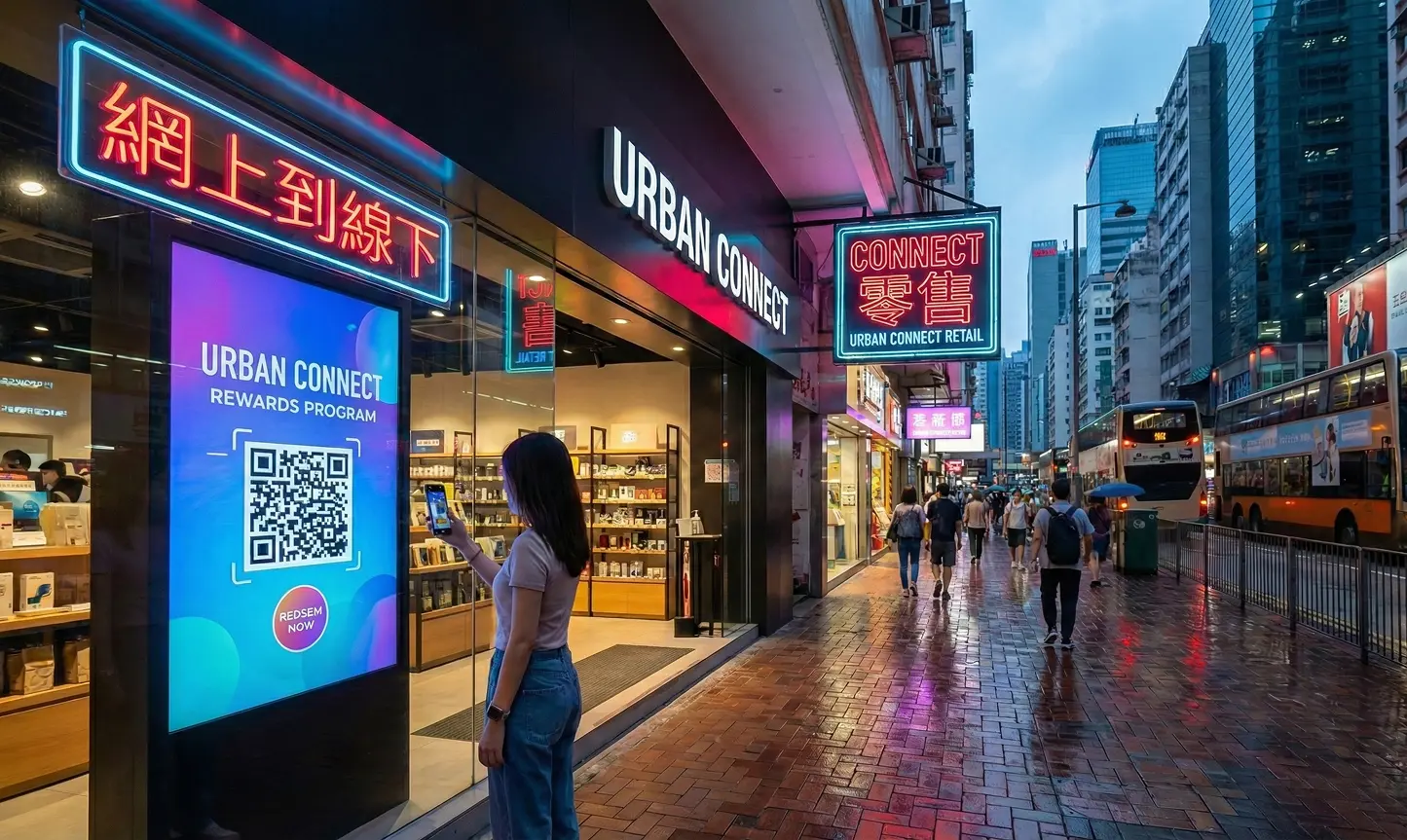
Understanding and mastering the fundamentals of O2O is a critical strategy for many Hong Kong businesses looking to revitalize their physical stores, improve customer experience, and enable an omnichannel strategy.
If you are looking to drive your digital fanbase into your brick-and-mortar shops, or vice versa, then you are looking for an O2O strategy. To help you get started, the Wave Commerce team has compiled this guide to answering your biggest questions about O2O in Hong Kong.
Our team at Wave Commerce are leading experts in O2O, having built many customer centric O2O experiences for leading brands and retailers, as well as our own O2O SaaS applications and platforms.
What is O2O?
O2O stands for Online-to-Offline.
At its core, O2O is a business strategy designed to draw potential customers from online channels (like Instagram, emails, or your online storefront or website) and encourage them to make a purchase or visit a physical location - and vice versa.
Unlike "pure play" ecommerce where the entire transaction happens digitally, O2O recognizes the value of the physical experience. It uses the reach of the internet to initiate the relationship, but relies on the physical store to close the sale or deepen the engagement. Likewise, it can also drive people from your offline physical stores to engage on your website and online sales platforms.
Common O2O tactics include:
- Emailing a digital coupon that can only be redeemed in-store.
- Allowing customers to buy online and pick up at a shop (Click-and-Collect).
- Online registration for exclusive offline events or workshops.
Why is O2O so effective in Hong Kong?
Hong Kong is arguably the perfect environment for O2O commerce.
We live in a city with incredibly high smartphone penetration, yet we also live in a dense urban environment where "going shopping" is a primary social activity. Hong Kongers love to research online during their commute, but often prefer to touch, feel, or try on products in person before committing, especially for luxury goods, beauty products, footwear, electronics, and “more expensive” items.
Furthermore, shipping in Hong Kong is fast, but picking up an item on the way home from the MTR is often even faster. An effective O2O strategy capitalizes on this unique "high density, high connectivity" environment.
A good example of O2O in Hong Kong is to buy online, and redeem or pick up in-store. A high-end hotel for example:
- Sells special dining experiences at their restaurant online, where customers can check out like a normal product, then are emailed or sent a WhatsApp message with a QR code to redeem their experience at the hotel restaurant
- Sell spa and massage experiences online, to redeem at the hotel - or even beauty samples of their exclusive hotel spa products, which customers can sign up for online and come to collect in the hotel
- Sell Moon Cakes on their online store, check out like a normal product, then pick up at the hotel with a QR code
What are the benefits of O2O for Hong Kong businesses?
Adopting an O2O strategy isn't just about keeping up with trends; it solves fundamental business problems for Hong Kong retailers. By actively connecting your online reach with your physical presence, you unlock several key advantages:
- Increased Foot Traffic: This is the most direct benefit. By using digital "hooks" (like online-exclusive vouchers or event registrations), you can drive a steady stream of high-intent customers into your physical stores who might otherwise never have visited.
- Reduced Customer Acquisition Costs (CAC): Physical retail rent is high, but digital ads can be expensive too. O2O creates a multiplier effect. You acquire the customer once online (via a lower-cost digital channel) and monetize them offline, increasing the overall return on your marketing spend.
- Rich Customer Data: When a customer walks into a store and pays cash, they are anonymous. But in an O2O flow (e.g., redeeming a digital coupon), they identify themselves. This allows you to capture their contact info and purchase history, turning an anonymous walk-in into a trackable, repeatable customer.
- Better Inventory Management: O2O strategies like "Click-and-Collect" allow you to leverage your store inventory for online sales. This helps clear stock faster and reduces the need for massive warehouse space.
- Enhanced Brand Trust: Customers trust brands they can see. Even if they prefer buying online, knowing there is a physical location where they can return items or ask questions builds confidence and reduces cart abandonment.
What is the difference between O2O and OMO?
This is the most common question we get! Think of O2O as the tactic, and OMO as the evolution.
O2O (Online-to-Offline) is often linear. It focuses on moving a customer from Point A (Online) to Point B (Offline).
OMO (Online-Merge-Offline) is circular and integrated. It dissolves the barriers so the customer flows freely between both.
You can read our deep dive on what is OMO here.
How do I build a successful O2O Strategy?
Building an O2O strategy requires three main ingredients: Incentive, Convenience, and Technology.
- Create a "O2O Offer" (Incentive): Why should an online browser leave their house? You need an offer. This could be a limited-time in-store discount, an exclusive gift with purchase, or a service experience (like a free skin consultation).
- Remove the Friction (Convenience): If a customer buys online to pick up in-store, the process must be smooth. They shouldn't have to wait in line or fill out forms.
- Connect the Systems (Technology): You need to track if your online efforts are actually working. This requires a POS (Point of Sale) system that can validate digital orders or coupons.
Bridging the Gap with Expert Partners: While technology and tools are powerful, connecting them into a seamless workflow can be complex. This is where a partner like Wave Commerce becomes an extension of your team. As a long-time Shopify Partner, we don't just hand you the software; we help you architect the entire O2O journey. From configuring Shopify POS hardware in your retail stores to ensuring your loyalty data migrates correctly from legacy systems, we handle the technical heavy lifting. We ensure that your "online" and "offline" don't just coexist, but work together to drive measurable growth.
What tools do I need for O2O in Hong Kong?
To run O2O effectively, you need a commerce platform that bridges the gap.
To execute this seamlessly, the platform you choose is critical. This is why Shopify combined with Shopify POS is the preferred choice for O2O in Hong Kong. Unlike legacy systems or older platforms where your website and cash register are separate silos, Shopify provides a single view of the truth. When a customer buys a product online, your retail staff can see that order on the POS instantly. This real-time synchronization is essential for features like "Buy Online, Pick Up In-Store" (BOPIS), ensuring you never sell stock you don't have.
Powering O2O with local Shopify apps once your foundation is set with Shopify, you can layer on specialized O2O tools to drive traffic:
- Wave Vouchers: Perfect for service-based businesses (like spas or workshops) or gifting brands (like mooncakes). Wave Vouchers allows you to sell digital redemption QR codes online to secure upfront revenue. The customer then visits your physical location to redeem the service by scanning a QR code, effectively driving foot traffic from a digital purchase. You can easily plug it straight into your Shopify store, and get started right away! Wave Vouchers opens up entirely new revenue streams, allowing brands to create and sell new experiences and services online. In-store - staff just need to scan with any smart phone or tablet! No specialist equipment needed.
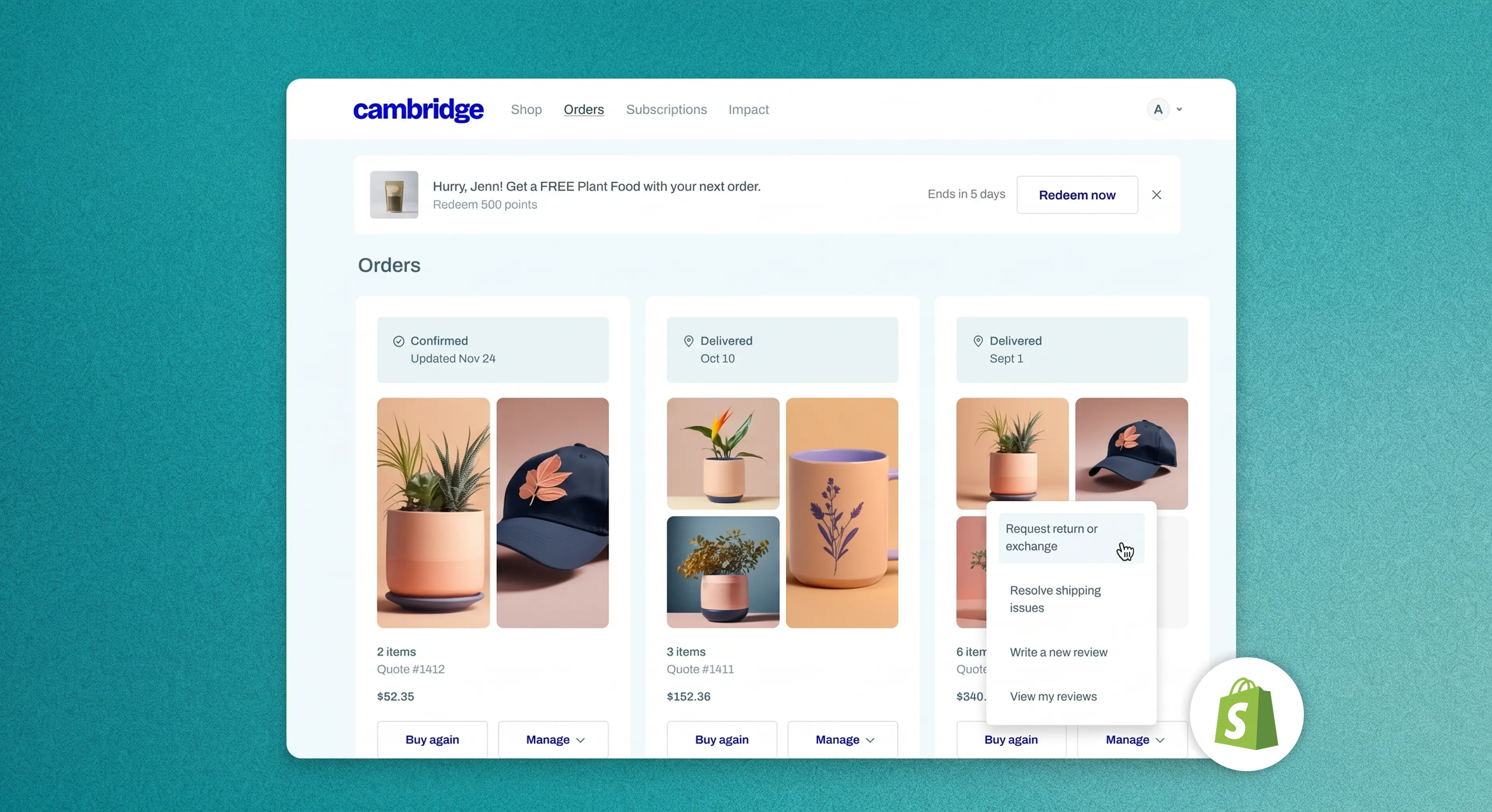
- OMNI Loyalty: Retention is the ultimate O2O goal. With OMNI Loyalty, you can ensure that points earned during an online sale can be redeemed at your physical counter (and vice versa). This prevents the customer frustration of having "trapped" points and encourages them to shop across all your channels. OMNI Loyalty also enables selling in-store/offline experiences online, tied into your loyalty program as main-page products or even rewards - like free samples which customers can come collect in-store.
What is O2O Loyalty?
O2O Loyalty is the engine that keeps your customers moving between your online store and physical stores.
Traditional loyalty programs are often "siloed" - where points earned online can only be used online, and a separate program is used in-store. This frustrates customers and breaks the O2O loop.
True O2O Loyalty connects the two worlds. It allows a customer to earn points on your online shop today, and walk into your store tomorrow to redeem those points for a discount. It incentivizes cross-channel behavior, rewarding customers not just for spending, but for engaging with your brand wherever they are.
Brands on Shopify use OMNI Loyalty to execute this in Hong Kong. You need a tool that speaks both "Shopify" (Online) and "Retail" (Offline). This is exactly what OMNI Loyalty was built for.
Developed by Wave Commerce specifically for the Hong Kong market, OMNI helps you build a seamless O2O membership program with features designed for local needs:
- Unified Membership: One single profile for every customer. Points earned on your Shopify store are instantly visible to staff on the shop floor.
- Mobile Number First: Hong Kongers hate remembering email passwords. OMNI allows in-store staff to look up members instantly using just their mobile phone number on the POS.
- Cross-Channel Redemption: A customer can browse your website, see a reward they like, and "claim" it digitally and then walk into your store to collect the physical gift or enjoy the discount.
- Tiered VIP Status: Let your top online spenders feel like VIPs when they visit your physical pop-up shop. OMNI syncs their "Gold Member" status to the POS, alerting staff to give them special treatment.
Talk to our team of experts at Wave Commerce about O2O loyalty strategies, or to get started with an O2O loyalty consultation.
Does Wave Commerce help with O2O setups?
Yes. We specialize in helping Hong Kong brands move away from fragmented systems (where online and offline don't talk to each other) to unified Shopify solutions.
Whether you are looking to set up Shopify POS for your pop-up store, integrate SF Express for locker pickups, or design a custom O2O loyalty flow using OMNI Loyalty, we can help you architect the solution. We ensure that your digital marketing efforts result in measurable physical sales.
As a Shopify Partner with over a decade of experience (supporting brands since 2011), our team at Wave Commerce possesses the deep technical expertise required for complex retail integrations. We are trusted by a diverse portfolio of clients from enterprise leaders like Mead Johnson and Logitech to innovative local brands like JAAAM and Pretti5 to build scalable commerce ecosystems. When you work with us, you aren't just getting a setup service; you are gaining a strategic partner who understands how to navigate the unique nuances of the Hong Kong retail market.
What are some examples of O2O in Hong Kong?
Discover how leading Hong Kong retail brands are transforming their operations and driving measurable revenue growth by partnering with Wave Commerce to implement proven O2O strategies:
1. Driving Footfall via Digital Coupons (FMCG brands)
- The O2O Strategy: FMCG brands often wanted to drive customers from their new website to their 1,000+ third-party retail partners (like Mannings and Watsons).
- The Execution: They created a digital membership program. Customers signed up online to receive a digital coupon on their phone.
- The Result: The customer takes that digital coupon to a physical store to redeem a discount or sample. This classic O2O tactic drove massive foot traffic while allowing the brand to capture customer data digitally before the offline visit.
- Read the full Mentholatum case study
2. Event Registration & Redemption (Logitech)
- The O2O Strategy: Logitech wanted to engage fans at the Hong Kong Computer Festival.
- The Execution: Instead of just handing out flyers, they set up an O2O flow. Customers registered online (Online) to redeem an exclusive gift at the festival booth (Offline) by scanning a QR code.
- The Result: This not only drove booth traffic but also built their CRM database for future marketing.
- Read the full Logitech case study
3. Staff-Driven O2O Sales (Ms. Chu Soap & Beaut)
- The O2O Strategy: Ms. Chu wanted to ensure their retail staff supported the online store.
- The Execution: They used an O2O attribution tool. If a customer visited the shop but wanted to buy later, the staff provided a link.
- The Result: When the customer eventually bought online (O2O in reverse!), retail store traffic and engagement effectively helped to lead to discovery of the online store and online store sales.
- Read the full Ms. Chu case study
Ready to bridge the gap between your online and offline business?
O2O is the first step toward a fully unified retail business. If you are ready to start driving your digital traffic into your physical stores, contact Wave Commerce today to discuss how we can help you implement Shopify and O2O loyalty strategies.
Explore more stories
%204%20(1)%20(1).webp)

A brand of Visual Squares Limited.
Shopify Expert. All rights reserved.
Terms of Use | Privacy Policy
